
The construction industry in Latin America is undergoing a technological transformation. Rapid urbanization, infrastructure projects, and demand for high-quality concrete are driving the adoption of intelligent concrete batching plants. These plants, equipped with automation, digital control systems, and remote monitoring, promise higher efficiency, consistent quality, and lower operational risks. But are they a future trend or a current necessity for the region? This article explores the benefits, challenges, and current applications of intelligent concrete plants across Latin America.
Understanding Intelligent Concrete Batching Plants
An intelligent concrete plant(planta hormigonera) goes beyond traditional batching systems. It integrates automation, digital control, and often IoT (Internet of Things) technology to monitor, control, and optimize the production of concrete. From material weighing to mixing and storage, intelligent plants provide real-time data, predictive maintenance alerts, and quality control insights. This enables construction companies to maintain consistent concrete quality while reducing labor costs and operational errors.
Key Features of Intelligent Concrete Plants
- Automated Material Handling: Sensors and automated conveyors accurately measure and transport aggregates, cement, and water.
- Digital Control Systems: Operators can control the batching process via computer interfaces, ensuring precise mixes every time.
- Remote Monitoring: Managers can track plant performance, production data, and maintenance needs from anywhere, reducing downtime.
- Predictive Maintenance: Smart systems detect potential equipment failures early, preventing costly breakdowns.
Types of Intelligent Concrete Plants
Intelligent concrete plants are available in various configurations to suit project size and site conditions:
- Stationary Plants: High-capacity plants ideal for large-scale projects, often serving urban infrastructure and commercial developments.
- Mobile Concrete Plants: Compact and relocatable, suitable for remote sites or projects with varying locations. For example, mobile concrete plant Peru units are increasingly deployed to construction sites outside major cities.
- Hybrid Systems: Offer both high capacity and mobility, blending the benefits of stationary and mobile solutions.
Why Latin America is Embracing Intelligent Concrete Plants
The adoption of intelligent concrete plants in Latin America is driven by several regional factors. These include labor challenges, construction quality demands, and project efficiency requirements.
Improving Quality and Consistency
Consistent concrete quality is critical in infrastructure and commercial projects. Traditional concrete plants often experience variations in mix ratios due to human error or equipment limitations. Intelligent concrete plants for sale(plantas de concreto en venta) address this by ensuring precise measurements of cement, aggregates, and water. For example, a concrete plant in Chile equipped with automated batching systems consistently produces high-quality concrete that meets national and international standards.
Enhancing Operational Efficiency
Labor shortages and high operating costs in some Latin American countries make efficiency a priority. Automated and intelligent plants reduce manual labor requirements and speed up production. Operators can manage multiple tasks simultaneously using digital interfaces, and production cycles are optimized to minimize downtime. Mobile concrete plant Peru units, for instance, can quickly relocate between sites while maintaining consistent output.
Supporting Large-Scale Infrastructure Projects
Governments in Latin America are investing in highways, bridges, airports, and urban housing projects. These projects require reliable, high-capacity concrete production. Intelligent concrete plants allow contractors to meet tight deadlines without compromising quality. By leveraging real-time data, project managers can schedule deliveries more accurately and reduce waste.
Economic Considerations: Investment vs. Return
Intelligent concrete plants generally come with a higher upfront cost compared to traditional plants. However, their long-term economic benefits often justify the investment.
Initial Investment
The concrete plant price for an intelligent plant includes advanced mixers, sensors, control systems, and often installation fees. Costs vary depending on capacity, automation level, and mobility. While stationary plants are more expensive, mobile intelligent concrete plants offer flexibility for multiple projects, potentially reducing overall capital expenditure.
Operational Savings
Intelligent systems reduce labor requirements and material waste. Real-time monitoring prevents overuse of cement or aggregates, which lowers production costs. Maintenance costs are also optimized through predictive alerts, avoiding unexpected breakdowns that could halt production.
Return on Investment
For contractors managing multiple projects across Latin America, ROI is realized through consistent concrete quality, reduced downtime, and efficient operations. Projects using intelligent plants often experience fewer delays, lower labor costs, and better compliance with engineering specifications. Over time, these savings can outweigh the higher initial concrete plant price.
Challenges and Considerations in Latin America
Despite the clear benefits, there are challenges in adopting intelligent concrete plants in Latin America.
Infrastructure Limitations
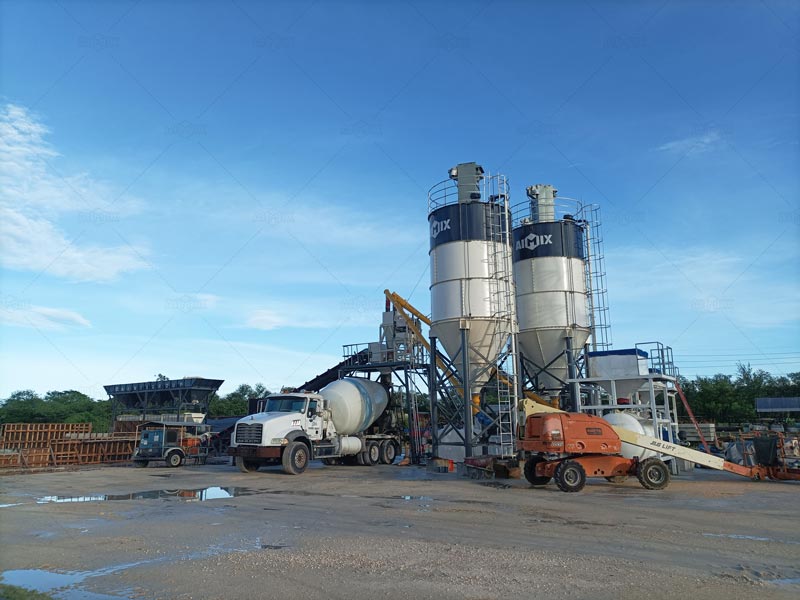
Remote areas may lack stable electricity or reliable internet connections, which can limit the functionality of intelligent plants. Mobile concrete plant Peru(Planta de concreto móvil Perú) installations often require backup power systems and offline operational capabilities to handle such conditions.
Training and Skilled Labor
Operators must be trained to use digital control systems effectively. In regions where skilled labor is scarce, companies may need to invest in training programs or rely on remote technical support. Concrete plants in Chile and other Latin American countries are increasingly offering operator training as part of their service package.
Cost Sensitivity
Some small contractors may be hesitant to invest in higher-priced intelligent plants. For smaller projects, mini concrete plants with partial automation may offer a balance between affordability and operational efficiency. Over time, contractors may gradually transition to fully intelligent systems as project scales increase.
Current Applications in Latin America
Intelligent concrete plants are no longer just a futuristic concept; they are actively being used in projects across the region.
Urban Construction
High-rise buildings and commercial complexes in major cities benefit from consistent concrete quality and faster production cycles. Intelligent plants streamline batching processes and ensure precise mix designs.
Infrastructure Development
Roads, bridges, and airport expansions require high-volume concrete production. Intelligent plants with advanced automation reduce downtime and maintain quality standards, helping meet project deadlines.
Remote and Mobile Sites
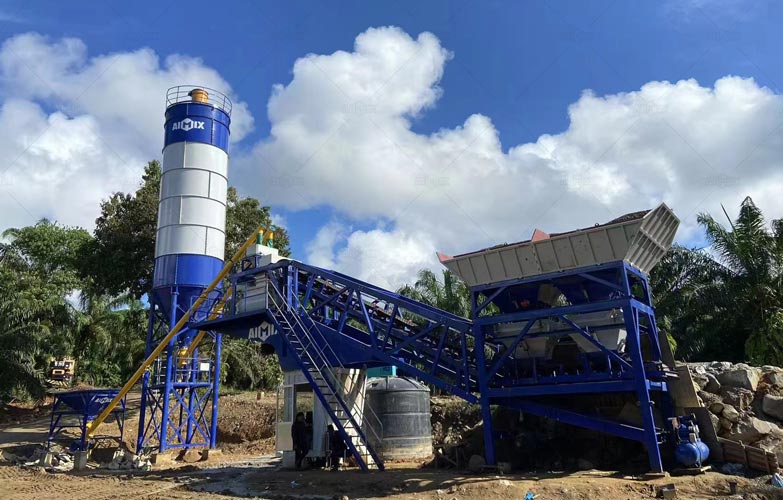
Projects in rural or mountainous areas rely on mobile intelligent plants to deliver concrete on-site. Mobile concrete plant Peru units, for example, enable contractors to reach remote locations without sacrificing quality or efficiency.
Future Outlook
The trend toward intelligent concrete batching plants in Latin America is expected to accelerate. As construction projects grow in scale and complexity, the need for reliable, high-quality concrete production becomes more critical. Integration with IoT, AI, and predictive analytics will further enhance plant performance and operational decision-making.
Technological Advancements
Future intelligent plants may include features such as automated quality testing, self-adjusting mix ratios, and predictive project scheduling. These innovations will make intelligent concrete plants an indispensable tool for contractors seeking both efficiency and quality assurance.
Market Adoption
Countries such as Chile, Peru, and Brazil are leading the adoption of intelligent concrete plants. Contractors are increasingly recognizing that investing in advanced technology is not optional but necessary to remain competitive in the market.
Conclusion: Necessity or Trend?
Intelligent concrete batching plants in Latin America are both a current necessity and a future trend. While initial costs are higher, the benefits in efficiency, quality, and reliability make them an essential investment for large-scale and high-demand projects. Mobile concrete plant Peru units and stationary concrete plants in Chile(plantas de hormigón en Chile) demonstrate that intelligent technology is already transforming construction practices across the region. As infrastructure and urban development continue to grow, intelligent concrete plants will play a crucial role in meeting demand while ensuring consistent, high-quality concrete production.