
Investing in a mini batching plant is a crucial decision for contractors, construction companies, and small-scale concrete suppliers. To ensure you receive the best return on your investment, it is essential to understand factors affecting the mini batching plant price, features that enhance operational efficiency, and the differences among available models. Whether you are searching for a mini batching plant Indonesia, a small concrete batching plant for sale UK, or a standard concrete batching mixing plant, making an informed choice can save costs and boost productivity.
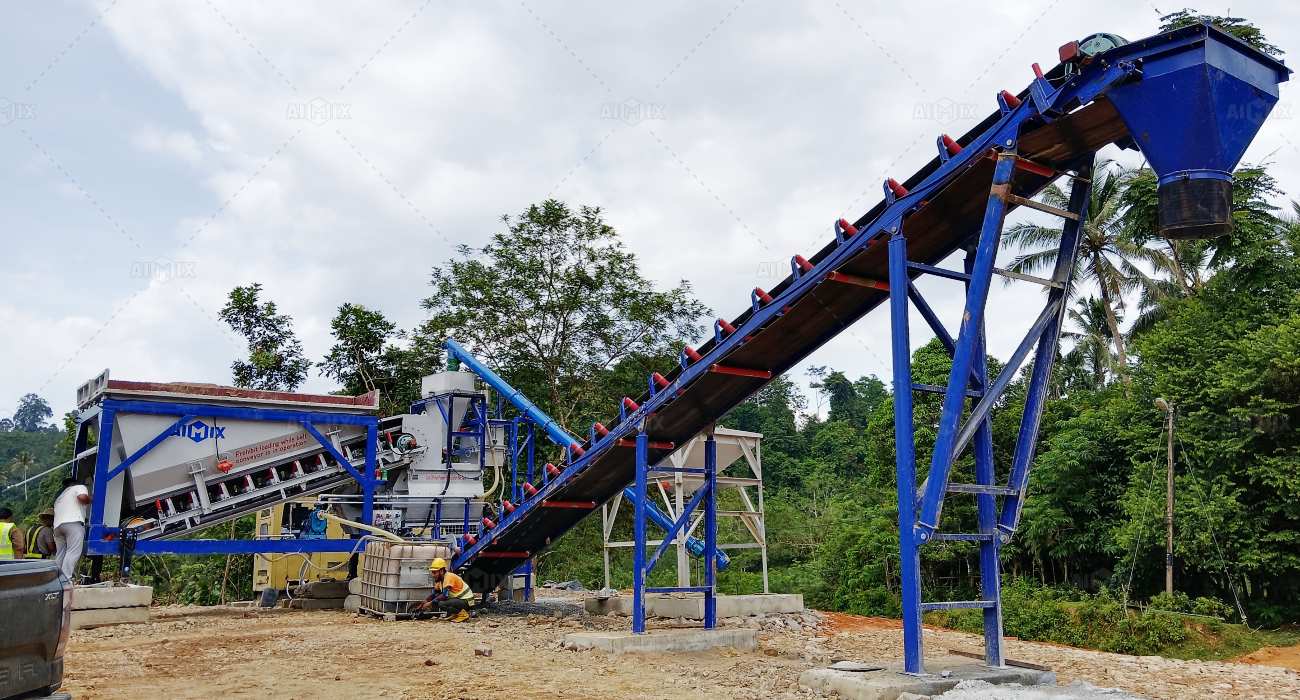
Understand Your Project Requirements
The first step in maximizing value is to clearly define your project needs. Consider the following:
-
Capacity Needs: Determine the daily concrete volume your site requires. Mini batching plants typically range from 25 m³/h to 60 m³/h. Choosing the right capacity avoids underutilization or excessive investment.
-
Project Type: Small residential projects may only need a compact, semi-automatic plant, whereas commercial or infrastructure projects may require a more robust concrete batching mixing plant.
-
Material Types: Identify the types of aggregates, cement, and admixtures used. Some mini batching plants are better suited for specific materials and environmental conditions.
By assessing project requirements, you ensure the mini batching plant price is aligned with real operational needs, avoiding unnecessary expenses.
Compare Suppliers and Regional Options
The cost of mini batching plants can vary significantly by supplier and region. For example:
-
Mini Batching Plant Indonesia: Local suppliers in Indonesia often provide competitive prices due to lower labor and manufacturing costs. They may also offer faster delivery and local support.
-
Small Concrete Batching Plant for Sale UK: European suppliers usually focus on quality, automation, and compliance with environmental standards, which may increase the initial cost but enhance long-term reliability.
-
Global Market Options: Many contractors consider imported plants for advanced features, but shipping, import duties, and maintenance availability should be factored into the overall price.
Comparing suppliers, both locally and internationally, helps ensure you find a balance between price, quality, and support.
Evaluate Automation and Technology Features
Automation is one of the most important factors affecting both price and value:
-
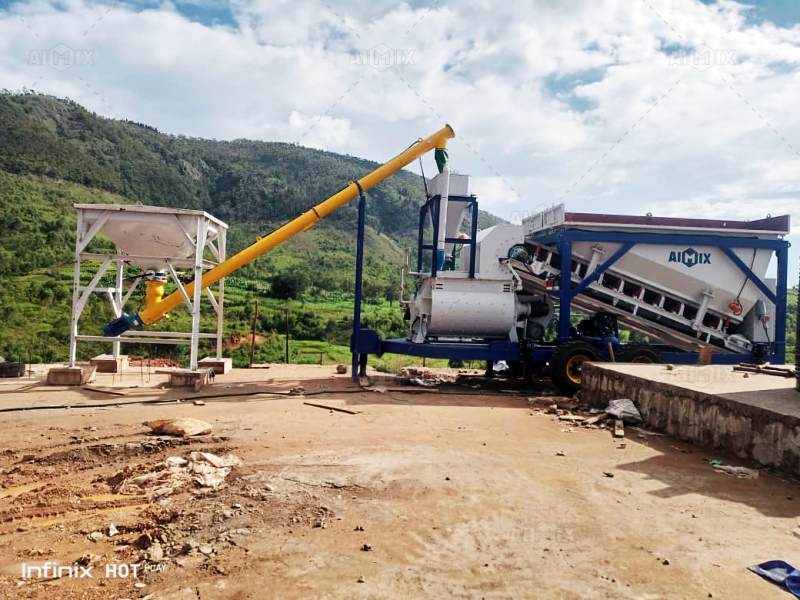
Semi-Automatic vs. Fully Automatic: Semi-automatic plants are less expensive but require more manual labor. Fully automatic concrete batching mixing plants provide precise batching, consistent concrete quality, and reduced labor costs.
-
Control Systems: Modern mini batching plants come with PLC control systems and touchscreen panels for easy operation, real-time monitoring, and error prevention.
-
Mixing Efficiency: Twin-shaft or planetary mixers are recommended for higher uniformity and faster mixing times. Investing in efficient mixers ensures better quality concrete and reduces energy consumption.
By selecting the right technology for your production needs, you maximize operational efficiency and reduce long-term costs.
Consider Mobility and Installation Flexibility
Mini batching plants come in stationary, mobile, and portable configurations. Choosing the right type affects both the price and usability:
-
Mobile Batching Plants: Ideal for contractors who work on multiple sites or remote locations. They reduce transportation costs and installation time.
-
Portable Plants: Can be quickly assembled and disassembled, suitable for temporary projects or small-scale operations.
-
Stationary Plants: Better for long-term projects with high-volume production, offering stability and higher capacity.
For regions like Indonesia, where construction sites may vary in accessibility, a mini batching plant Indonesia with mobility options can maximize project efficiency.
Evaluate Material Quality and Build
The durability and reliability of a mini batching plant are directly linked to material quality:
-
Steel Frame and Mixer Materials: High-quality steel frames and wear-resistant mixers reduce maintenance and extend service life.
-
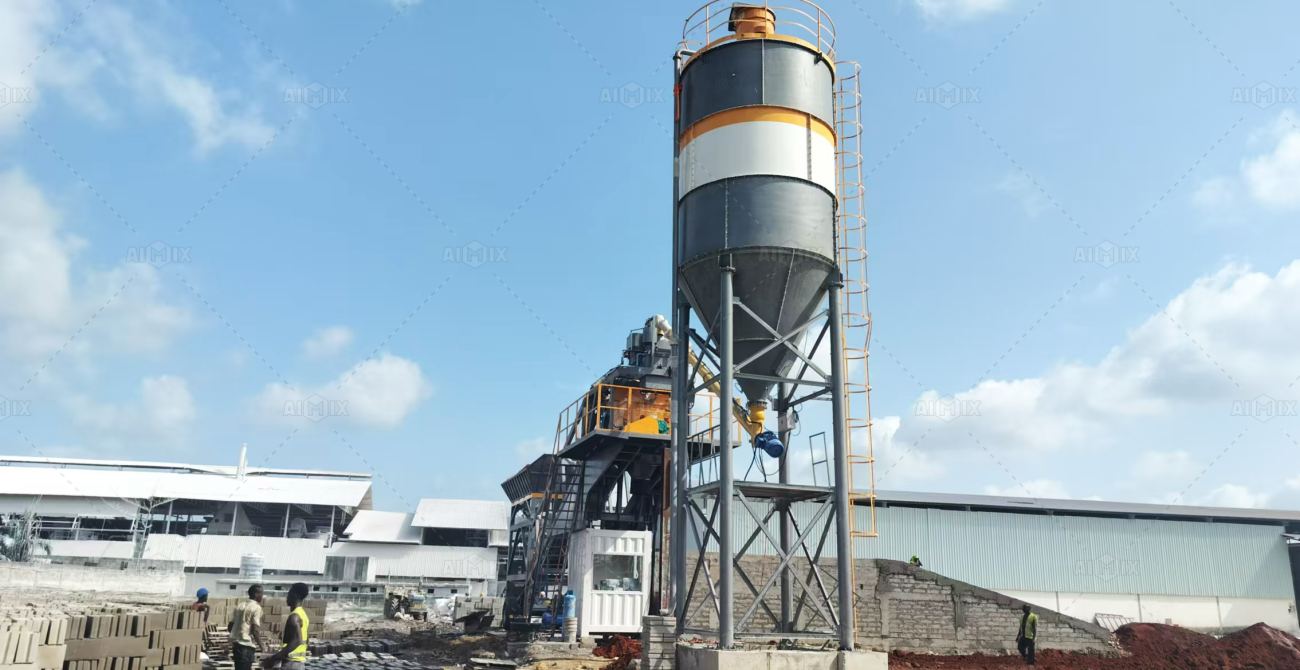
Conveyor and Silo Quality: Properly designed conveyors, silos, and hoppers improve material flow and reduce downtime.
-
Spare Parts Availability: Easy access to spare parts reduces maintenance costs and prevents production delays.
Choosing a plant built with quality materials ensures long-term value, even if the mini batching plant price is slightly higher upfront.
Factor in After-Sales Support and Training
After-sales support is often overlooked but is critical for long-term value:
-
Technical Support: Reliable suppliers provide installation guidance, operation training, and maintenance assistance.
-
Warranty and Service: Plants with warranty coverage reduce the risk of unexpected expenses.
-
Training for Operators: Properly trained operators can maximize efficiency, minimize errors, and extend equipment life.
For instance, suppliers of a small concrete batching plant for sale UK often include training and support as part of the package, ensuring smooth operations from day one.
Optimize Operational Costs
Maximizing value is not just about the initial purchase price; operational efficiency plays a huge role:
-
Energy Consumption: Plants with energy-efficient mixers and motors lower electricity costs.
-
Labor Efficiency: Automated batching reduces manual handling and labor costs.
-
Maintenance Schedule: Regular inspection and timely replacement of wear parts prevent costly downtime.
By focusing on total cost of ownership, you can achieve maximum value from your mini batching plant investment.
Conclusion
Getting the maximum value for your mini batching plant price requires a comprehensive approach: understanding project needs, comparing suppliers, evaluating automation and mobility, prioritizing build quality, and considering after-sales support. Whether you are sourcing a mini batching plant Indonesia, a small concrete batching plant for sale UK, or a standard concrete batching mixing plant, careful planning ensures cost-effectiveness, operational efficiency, and long-term productivity.
Investing wisely allows contractors to meet construction demands reliably, deliver high-quality concrete, and achieve a strong return on investment. By balancing initial costs with features, mobility, and support, you ensure that your mini batching plant not only meets current project requirements but also serves as a flexible, efficient solution for future construction needs.